

By AV Team
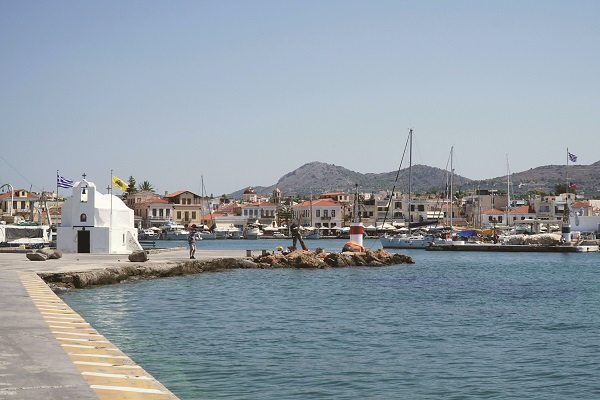
Aegina. Photo by Ola K / Unsplash
You don’t have to cross the Aegean to experience island magic. Less than two hours from Athens, the Saronic Gulf is home to four destinations that couldn’t feel more different from one another. Aegina charms with its artistic spirit and pistachio groves, Poros invites you to slow down among pine-covered hills and elegant waterfronts, Hydra captivates with its timeless beauty and car-free streets, while Spetses blends cosmopolitan energy with rich maritime history. Whether you’re planning a spontaneous weekend escape or a longer islandhopping journey, these four Saronic gems offer a rare balance of crystal-clear waters, striking architecture, authentic Greek hospitality and long, unhurried summer days. The only difficult decision is where to begin.
AEGINA
Ancient ruins just an hour from Athens
Just an hour from Piraeus, Aegina is proof that a short ferry ride can take you to a world that feels completely different. Stroll through the charming harbour, enjoy fresh seafood by the water and, of course, don't leave without tasting the island's world-famous pistachios. History blends effortlessly with everyday island life here. Nobel Prize-nominated author Nikos Kazantzakis spent time on Aegina, while renowned architect Dimitris Pikionis and artists such as Yiannis Moralis and Christos Kapralos all left their mark on the island. Every September, Aegina celebrates its most famous local product during the lively Fistiki Fest.No visit to Aegina is complete without exploring the magnificent Temple of Aphaia, one of Greece's best-preserved ancient sanctuaries. Together with the Acropolis of Athens and the Temple of Poseidon at Sounio, it is said to form the legendary "Sacred Triangle" of antiquity. Another must-see is Paleochora, often referred to as the "Mystras of Aegina", where the remains of dozens of Byzantine churches are scattered across the hillside. Nearby, the Chapel of Archangel Michael hides an unexpected surprise waiting to be discovered. Nature lovers shouldn't miss the Ancient Olive Grove, home to trees believed to be more than 2,500 years oldwhile those looking for panoramic views can hike to the summit of Mount Oros, the island's highest peak. Other worthwhile stops include the House of Nikos Kazantzakis near Souvala, the Folklore Museum, the Monastery of Saint Nektarios –one of Greece's most important pilgrimage sites–and the beautifully restored village of Pachia Rachi, where time seems to stand still.
Where to Swim
If you're staying in the main town, Avra, Panagitsa and Kolona are all within easy walking distance and perfect for a quick swim with a view of ancient ruins. Families often head to Marathonas I and II, where shallow waters, organised facilities and waterfront tavernas make for an easy day by the sea. Aghia Marina, with its long sandy shoreline and Blue Flag status, is another favourite, while Souvala combines swimming with the area's long tradition of thermal springs. For something quieter, seek out Vagia, Tourlosor Portes, where the pace is slower and the scenery wonderfully unspoilt. If you prefer a livelier atmosphere with beach bars and music, Marathonas II, Aeginitissa and Kleidi are among the island's most popular summer hangouts. Divers and snorkellers will also appreciate the rocky coastline around Perdika, where the clear waters reveal a fascinating underwater world.
POROS
Slow living between pines and sea views
Poros feels like it was designed for slow travel. As your ferry approaches the narrow strait that separates the island from the Peloponnese, the first thing you notice is the amphitheatrical town rising gently from the water – whitewashed houses, terracotta roofs and a clock tower standing watch over it all. There’s a calm, almost aristocratic rhythm here, as if the island prefers conversation over noise and evening walks over rush. Life naturally gravitates toward the waterfront. The promenade stretches along the harbour, where fishing boats sit beside sleek yachts and small water taxis glide constantly between beaches and coves. From Punta to Koryzi Square and onward to the Clock Tower, the town reveals itself in layers: cafés tucked into neoclassical buildings, quiet bookshops with displays spilling onto the street and an open-air cinema that feels almost cinematic in itself. Poros also has a strong cultural pulse beneath its relaxed surface. The Archaeological Museum, housed in the former residence of Prime Minister Alexandros Koryzis, offers a glimpse into the island’s ancient past, while contemporary art
spaces like Citronne Gallery have helped shape its modern identity. Nearby, the Hatzopouleios Libraryhosts the evocative "Shells and the Sea" exhibition. Among neoclassical mansions you’ll find one of the most atmospheric stops, “Galini”, the former home of poet George Seferis, quietly overlooking the strait. Geography plays a defining role here. Poros is actually two worlds connected by a bridge: the pinecovered hills of Kalavreia and the rocky peninsula of Sphaeria where the town sits. Across the water, the Peloponnesian coast and the famous Lemon Forest complete the picture, giving the island a sense of openness that extends far beyond its shoreline.
Where to Swim
Poros has some of the most inviting beaches in the Saronic Gulf, each with its own character. Askeli’s Kyani Akti is the island’s most developed beach, combining organisation with space to breathe. Sunbeds line parts of the shore, but there’s still room for those who prefer a quieter corner under the pines. Behind it, forest trails lead toward Palatia and the Temple of Poseidon, making it easy to mix swimming with light exploration. To the east, the Monastery of Zoodochos Pighi offers a more atmospheric experience. Set against a lush hillside, it combines spiritual heritage with one of the island’s clearest stretches of water. Just below, its small beach feels almost untouched, even in peak summer. On the western side, Mikro and Megalo Neorio provide easy access close to town, ideal for a spontaneous swim in the afternoon light. A little further along, Love Bay (Limanaki tis Agapis) sits beneath dense pine trees, its turquoise water framed by natural shade. Once a hidden favourite, it’s now more known – but still one of the most photogenic spots on the island.
HYDRA
No cars, no noise, just pure island atmosphere
Hydra reveals itself slowly. As the catamaran slips into the horseshoeshaped harbour, the first impression is almost theatrical: stone mansions rising in tiers, donkeys moving along narrow alleys and a waterfront that feels suspended in time. With no vehicles and no noise beyond footsteps and the sea, the island has a clarity that’s increasingly rare in the Mediterranean. There’s a certain elegance baked into everyday life here. The harbour is the island’s stage, lined with cafés, galleries and quiet courtyards, where the day unfolds at an unhurried pace. As evening falls, the light softens across the stone façades and Hydra becomes even more atmospheric. Hydra has long attracted a creative crowd, from international artists to writers seeking solitude. That legacy continues today through contemporary art spaces such as the DESTE Foundation’s Project Space, housed in a former slaughterhouse, and Hydra School Projects, which bring new artistic energy into historic settings. Even away from formal exhibitions, art feels embedded in the island’s fabric
Where to Swim
Hydra is not about sandy beaches – it’s about access to the sea in its purest form. Swimming here often means rocks, platforms and hidden coves rather than long stretches of sand, but the water is consistently crystal-clear. Just a short walk from the harbour, Hydronetta offers an iconic sunset swimming spot, where locals and visitors dive straight into deep blue water before staying on for drinks as the sun drops behind the Peloponnese. Nearby Spilia is equally popular, with smooth rock formations and ladders leading into the sea. A little further along the coast, Mikro and Megalo Kamini feel quieter, offering a glimpse of everyday island life framed by the sea. For a more traditional beach experience, Vlychos, Mandraki, Bisti and Aghios Nikolaos can be reached on foot or by frequent water taxis that circle the island throughout the day. For those willing to go further, Limnioniza on the southern coast feels almost secluded – an escape within an escape, with turquoise waters and a sense of complete detachment from the harbour’s energy.
SPETSES
Cosmopolitan energy, maritime history and pine-framed beaches
Spetses has a way of blending oldworld elegance with a distinctly modern summer energy. Close enough to Athens for a spontaneous escape, yet far enough to feel like a proper getaway, the island has long attracted a cosmopolitan crowd drawn to its neoclassical mansions, pine-fringed coastline and lively waterfront.The heart of Spetses is its harbour. In summer, it becomes a constant flow of movement—yachts anchored in front of the historic Poseidonion Grand Hotel, horse-drawn carriages replacing cars, and bicycles weaving through cobbled streets. Even at its busiest, the island manages to feel composed rather than chaotic,.Getting around is part of the experience here. With private cars largely restricted, life slows down by design. Most visitors explore on foot, by bicycle, or on small scooters, following a coastal road that loops around the island in a route of changing landscapes—pine forests, hidden coves and open sea views that appear suddenly between bends.Spetses also carries a strong sense of history. The island played a key role in the Greek War of Independence, and its heritage is still visible today in museums, churches and historic homes that have been carefully preserved. The Bouboulina Museumstands out as a tribute to one of Greece’s most iconic female figures, while landmarks such as the Anargyrios and Korgialenios School and the Church of St. Nicholas connect the island’s present to its past. During the Armata Festival in September, history is not just remembered—it is dramatically re-enacted over the sea.
Where to Swim
Spetses offers a wide range of swimming spots, from organised beaches with beach bars to quiet, hidden coves.Aghioi Anargyroi is one of the island’s most popular beaches, set against a dramatic coastal backdrop with a path leading to the atmospheric Bekiris Cave. Nearby Aghia Paraskevi offers a similar blend of natural beauty and clear waters, with a slightly more secluded feel. Closer to town, Aghios Mamasprovides an easy, sandy option just minutes from the harbour, while Kounoupitsa and Ligoneri offer
more relaxed alternatives without the crowds. Along the coastal road, Aghios Nikolaos stands out for its views of grand seaside mansions.For those looking to escape further, beaches like Xylokeriza, Zogeria and Kamares offer a wilder side of the island. On the livelier end of the spectrum, Aghia Marina, Kaiki Beach and Vrellos bring music, beach bars and a more social summer atmosphere.