

By Yiannis Dimopoulos
You’re in Greece. The sun is blazing, the sea is shimmering and you’re probably already holding a glass of something cold at a beachside taverna. Time to level up that wine game. Forget what you think you know – Greek wine isn’t just retsina and rustic vibes. Sure, it has 6.500 years of history, gods like Dionysus, who threw the original wine parties (symposia), and ancient roots in philosophy and pleasure. But today? Greece is buzzing with a new generation of winemakers doing seriously cool things: reviving rare native grapes, experimenting with bold techniques and earning nods from top sommeliers and international critics. Whether you’re a total wine newbie or someone who swirls, sniffs, and says words like “tannins”, Greek wine has something for you. This guide will walk you through the top regions, must-try varieties and under-the-radar bottles that will make you sound like you know your stuff – even if you just want something tasty to go with grilled octopus.
Top 3 Wine Regions in Greece
Naoussa – Xinomavro: In 1971, Naoussa in Central Macedonia became the first Greek region to receive PDO (Protected Designation of Origin) status. It’s home to Xinomavro, a noble red grape variety often compared to Italy’s Nebbiolo for its aging potential, firm tannins and complex structure.
Top producers: Dalamaras, Karydas, Kir-Yianni, Thymiopoulos.
Nemea – Agiorgitiko: The Peloponnesian town of Nemea is the cradle of Agiorgitiko, one of Greece’s oldest and most celebrated red grapes. Known for producing velvety, fruit-forward wines that can age beautifully, it's the only variety permitted under the PDO Nemea designation.
Top producers: Aivalis, Gaia, Palyvos, Skouras, Tselepos.
Santorini – Assyrtiko: Santorini’s volcanic soils produce world-class Assyrtiko, a crisp, mineral-driven white grape that rivals top Chablis. Oak-aged versions and the iconic sweet wine Vinsanto –made from sun-dried Assyrtiko grapes– show its versatility. The island also grows the rare red variety Mavrotragano, which is gaining international acclaim.
Top producers: Argyros, Gaia, Hatzidakis, Santo Wines, Sigalas.
3 Wine Trends Shaping the Greek Scene
1. Indigenous Revival
Greek winemakers are turning back to their roots –literally– by reviving ancient, nearly-forgotten grape varieties. Look out for bottles made from Vidiano, Limniona, Kydonitsa, Plito and Negoska. These native grapes are winning awards and turning heads at international tastings.
2. Orange Wines on the Rise
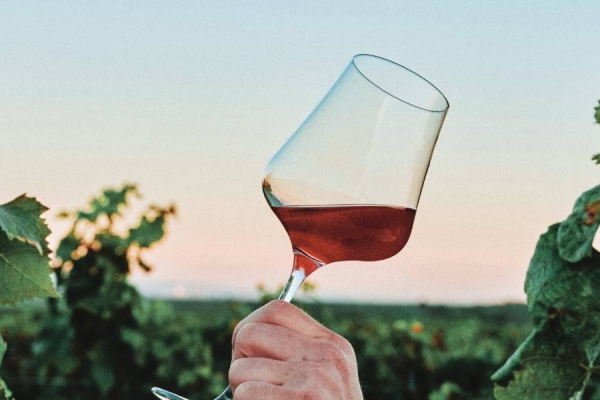
Orange wines –white grapes vinified like reds, with extended skin contact– are having a moment. These wines are bold, slightly tannic and surprisingly complex. They pair beautifully with Mediterranean cuisine.
• Pieria Malagouzia by Pieria Eratini
• Mithymneon Portokali by Yiannis Lambrou
• Rhoditis by Tatsis (Goumenissa)
3. Artisan Wines for the Curious Palate
Today’s consumers seek wines that tell a story – wines with personality, history and a touch of the unexpected. Greece delivers with wines like:
• Liatiko Amphora (Douloufakis)
• Robola (Melissinos)
• Rhoditis (Tetramythos)
• Mystirio (Karamolegos)
• Orgion (Sklavos)
• Xinomavro Rosé (Oenos Nature)
What Does It Cost?
A quality bottle of white wine from a wine shop in Greece will set you back around €20-30, while reds typically range from €25-40. In restaurants, prices will be higher, but still excellent value compared to international counterparts.
Greece’s Most Important Native Grapes
White Varieties
• Assyrtiko: Santorini’s flagship grape. High acidity, flinty minerality and age-worthy. Think of it as Greece’s answer to Chablis.
• Malagousia: Highly aromatic with notes of peach, apricot and fresh herbs. A modern comeback story.
• Moschofilero: Floral, spicy and refreshing – Greece’s aromatic counterpart to Gewürztraminer.
Red Varieties
• Agiorgitiko: Soft and rich with plum and spice notes. Approachable when young, elegant with age.
• Xinomavro: Structured, earthy and complex. Demands patience and rewards cellaring.
Top Greek Producers to Know
A snapshot of some of the most respected names in Greek winemaking:
Aivalis, Alpha Estate, Antonopoulos, Argyros, Biblia Chora, Boutaris, Driopi, Douloufakis, Gaia, Gerovassiliou,
Hatzidakis, Hatzimichalis, Katogi-
Strofilia, Katsaros, Kir-Yianni,
Manoussakis, Mercouri, Papaioannou, Pavlidis, Samos, Sigalas, Skouras,
Sklavos, Thymiopoulos, Tselepos.
Editor’s Picks: Wines to Seek Out
White Wines
• Alpha Estate: “Sauvignon Blanc”
• Antonopoulos: “Anax”
• Argyros: “Evdemon”, “Nyxteri”
• Biblia Chora: “Ovilos”
• Gaia: “Thalassitis”
• Gerovassiliou: “Chardonnay”, “Malagousia”
• Hatzidakis: “Nyxteri”, “Louros”
• Sigalas: “Nyxteri”, “Kavalieros”
• Skouras: “Eclectique”
• Sklavos: “Robola”
Red Wines
• Aivalis: “Monopati”
• Alpha Estate: “Xinomavro Unfiltered”, “Alpha One”
• Antonopoulos: “Nea Dris”
• Avantis: “Collection Syrah”
• Boutaris: “Grand Reserve”, “1879”
• Dalamaras: “Paliokalias”
• Driopi: “Agiorgitiko”
• Gaia: “Gaia Estate”
• Gerovassiliou: “Avaton”, “Syrah”
• Karydas: “Xinomavro”
• Kir-Yianni: “Diaporos”, “Blue Fox”
• Manoussakis: “Romeiko”
• Mercouri: “Ktima Mercouri”
• Papaioannou: “Mikroklima”, “Terroir”
• Skouras: “Labyrinth”, “Megas Oenos”
• Thymiopoulos: “Terra Petra”
• Tselepos: “Kokkinomylos”
Sweet Wines
• Vinsanto: A Santorini treasure made from sun-dried Assyrtiko grapes. Complex, honeyed and long-lived. Top producers: Argyros, Sigalas.
• Mavrodaphne: A fortified red wine, reminiscent of Banyuls.
• Muscat: Produced on the island of Samos – sweet, aromatic and balanced.
In Conclusion
Greek wine is entering a new golden age. Whether you’re a casual drinker or a connoisseur, now is the time to discover what this ancient land is pouring into your glass.